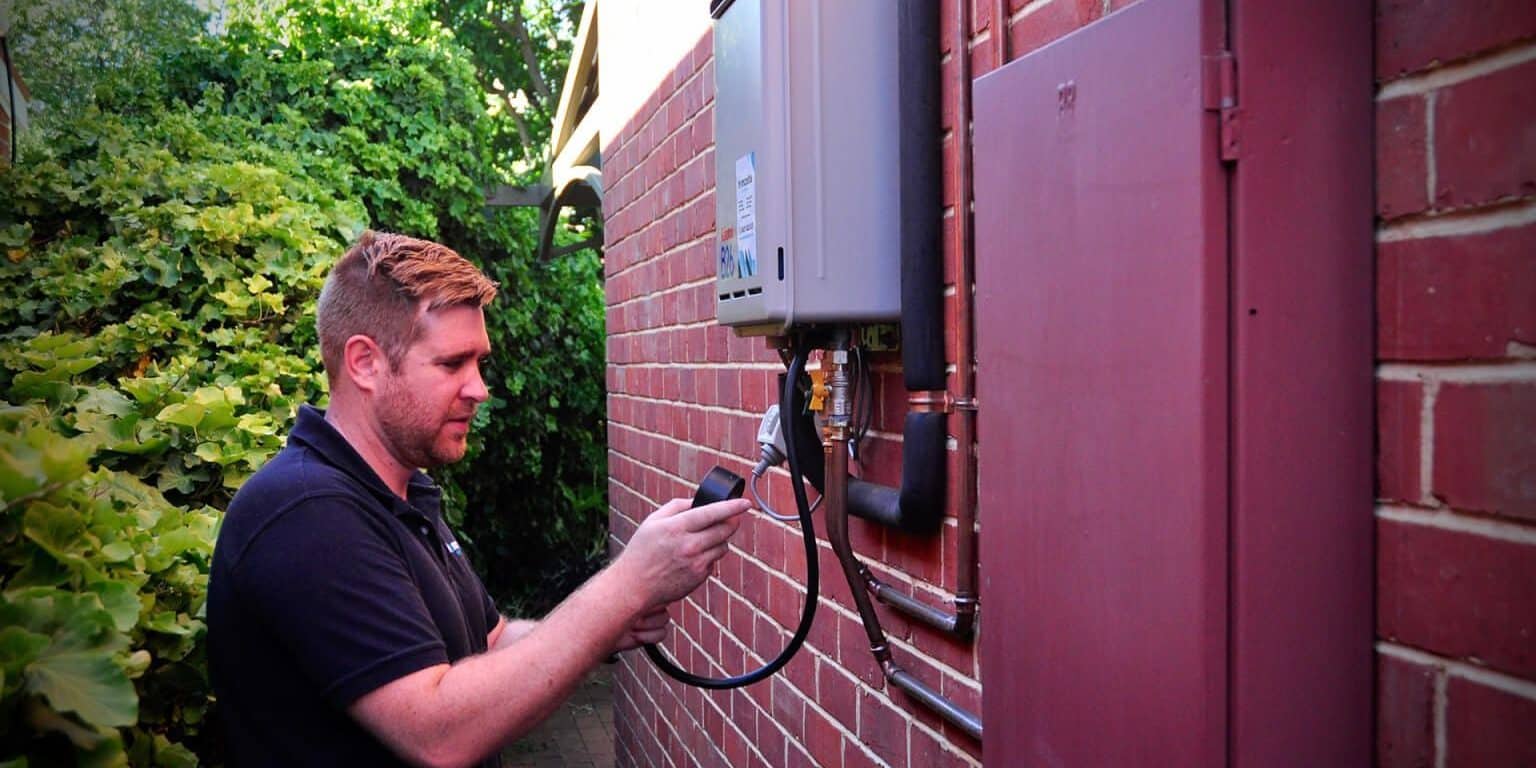
From Solar to Gas – What to Know When Switching Hot Water Energy Sources
For families considering a change for their hot water system, moving from electric to solar hot water or gas hot water can be worthwhile but it isn’t simply a matter of swapping one tank for another. The right option depends on your home, your household, family’s hot water needs throughout the day, your budget and what connections are already available.
Why families consider changing systems
Older electric storage systems can be reliable but they can also become expensive to run, particularly if the household uses a lot of hot water. Solar hot water is attractive to many homeowners because it can use energy from the sun to heat water, reducing reliance on conventional energy. Gas systems, meanwhile, can provide reliable hot water on demand, particularly with continuous-flow technology.
Neither option is automatically better for every household.
Moving from electric to solar
If you’re considering solar hot water, the first step is looking at the property itself. As important questions like…how much roof space is available? Which direction does the roof face? Is the area shaded by nearby buildings or established trees? What is the condition of the existing hot water plumbing?
Adelaide and South Australia generally have plenty of sunlight but that doesn’t mean every roof is perfectly suited to solar collectors. Your household’s hot water usage matters too. A family of five is going to have very different requirements from a couple who are out of the house most of the day. A properly sized system needs to take those things into account.
What about switching to gas?
Gas hot water can be an appealing option where a suitable gas connection already exists. Continuous-flow gas systems heat water as it is needed rather than storing a large volume in a tank. For households with regular hot water demand, that can be convenient.
However, moving from electric to gas may involve more than installing the new unit.
Gas pipework, appliance location, ventilation, electrical connections and current installation requirements all need to be checked by an appropriately licensed professional. If there isn’t already suitable gas infrastructure at the property, the cost and complexity can change considerably.
Don’t assume your old location will work
This catches people out as the new hot water system may not be able to sit exactly where the old one did. Solar systems need appropriate roof positioning and collector space. Gas units have their own installation requirements. Even replacing an old electric tank with a modern system can require changes to pipework, valves or electrical connections.
A good assessment before the work begins can prevent an unpleasant surprise halfway through installation.
What does the changeover involve?
Generally, the process starts with an inspection of your existing system as the plumber will look at the current hot water unit, connections, available energy sources, household requirements and the practical installation options.
From there, you’ll usually have a clearer idea of whether staying with electric makes sense or whether solar hot water or gas hot water would be a better fit. The old system can then be disconnected and removed, the required plumbing or gas work completed and the new system installed and tested. It sounds straightforward and in many homes, it is, but the details matter.
Get advice before choosing a system
Switching hot water energy sources is a long-term decision, so choosing a system based solely on the purchase price isn’t always wise. Consider hot water system installation costs, ongoing energy use, household demand, available space and how the system will perform over the next several years.
At Horncastle Plumbing, we are your trusted hot water plumbers in Adelaide. We help homeowners understand their options before making that decision. Whether you’re considering moving from electric hot water to gas, exploring solar hot water or simply replacing an ageing system, our experienced plumbers can assess your existing setup and explain what is realistically involved because the best hot water system isn’t necessarily the one with the biggest sales pitch… It’s the one that makes sense for your home, your family and the way you actually use hot water.
For hassle-free plumbing solutions and expert tips, stay tuned for our blog coming next month!